
Understanding Clinical Trials (6)

From Screening To Completion: A Participant’s Full Trial Timeline
People don't just show up to a clinical trial and start taking an experimental drug. There's a sequence to it, and figuring out where you fit into that sequence is where most participants get turned around. This walkthrough covers the full journey, in order, from first contact to the final visit.

Why Do Clinical Trials Fail?
Here are some real reasons studies stop and why the data still matters.Clinical trials fail far more often than most people realize. However, “failure” doesn’t always mean you, as a participant or the researchers, did anything wrong. You may decide to join a clinical trial, and it can be well-designed, ethically run, and still end earlier than expected or produce disappointing results.In many cases, failure is a part of the scientific process. You may join a clinical trial that might be testing a challenging idea, only for the researchers to discover it doesn’t work as hoped, it isn’t safe enough for you to continue, or it isn’t feasible at scale.Here are the most common failure scenarios that you may experience when you enter into a clinical trial and how your “failed” trial may still move the science forward with new understanding.

What Are Biologic Therapies for Asthma and Who Are They For?
Asthma treatment has relied on two core approaches for decades: reducing airway inflammation and keeping airways open. For a lot of people, that works. But for patients with severe asthma that doesn't respond to standard medications, they often fall short. Biologic therapies were developed to directly address that problem.
Living With COPD and Other Chronic Conditions
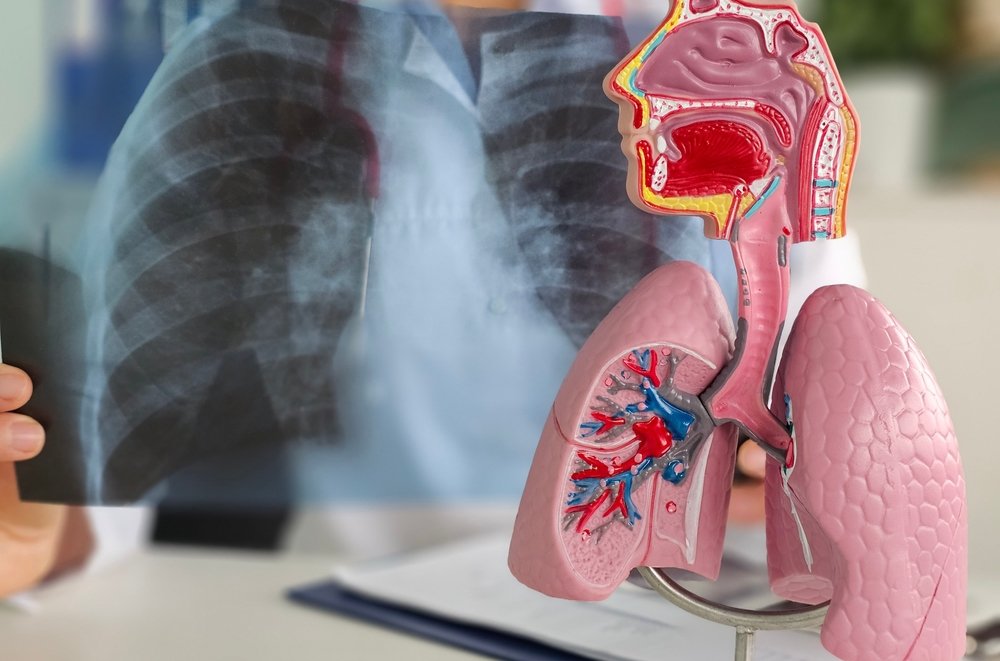
It’s a daily balancing act when you have chronic obstructive pulmonary disease (COPD), and you’re also managing other chronic conditions, such as heart disease, diabetes, arthritis, and chronic pain. While managing multiple conditions can feel overwhelming, understanding how they interact and learning how to care for your whole self (holistic care) can help you regain a sense of control over your life.

How Trial Participation Compares To Standard Medical Care
People weighing a clinical trial sometimes treat it as a step outside normal medical care, something separate from the treatment relationship they already have. That framing doesn't quite hold up when you look at what trial participation actually delivers week to week. The structures are different, the demands are different, and for a lot of people, the level of clinical attention they receive during a trial is considerably higher than what their standard care arrangement provides.The specific differences are worth knowing before making any enrollment decision. That way, you’ll know exactly what you’re getting involved in ahead of time and not be disappointed or frustrated with the experience.

Bipolar Disorder: Treatments, Therapies, and What Research Is Exploring Next
Bipolar disorder affects roughly 2.8% of U.S. adults, making it one of the more common serious mental health conditions in the country. Despite how prevalent it is, many people living with bipolar disorder spend years without the right diagnosis or an effective treatment plan. The condition involves cycling between episodes of mania or hypomania and depression, and managing both ends of that spectrum requires a coordinated, often multi-pronged approach.


©Clinical Media. All rights reserved.
Do not sell my personal info