
Sleep Disorders (6)
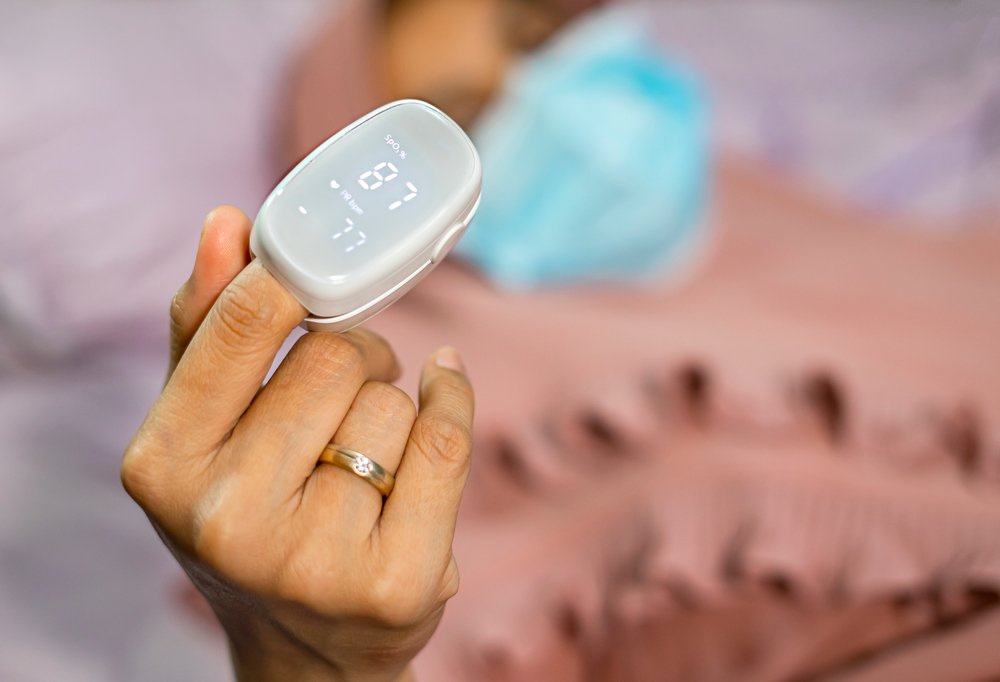
Why Pulse Oximetry Isn’t Always Reliable for Sleep Apnea
Pulse oximetry has become a familiar tool in sleep health. Many people have worn a fingertip clip at a doctor's office or checked oxygen levels on a smartwatch. Because sleep apnea involves drops in oxygen during the night, it's easy to assume pulse oximetry tells the whole story. In reality, it only shows part of what's happening. While oxygen data can be helpful, relying on it alone can miss important signs of sleep apnea.
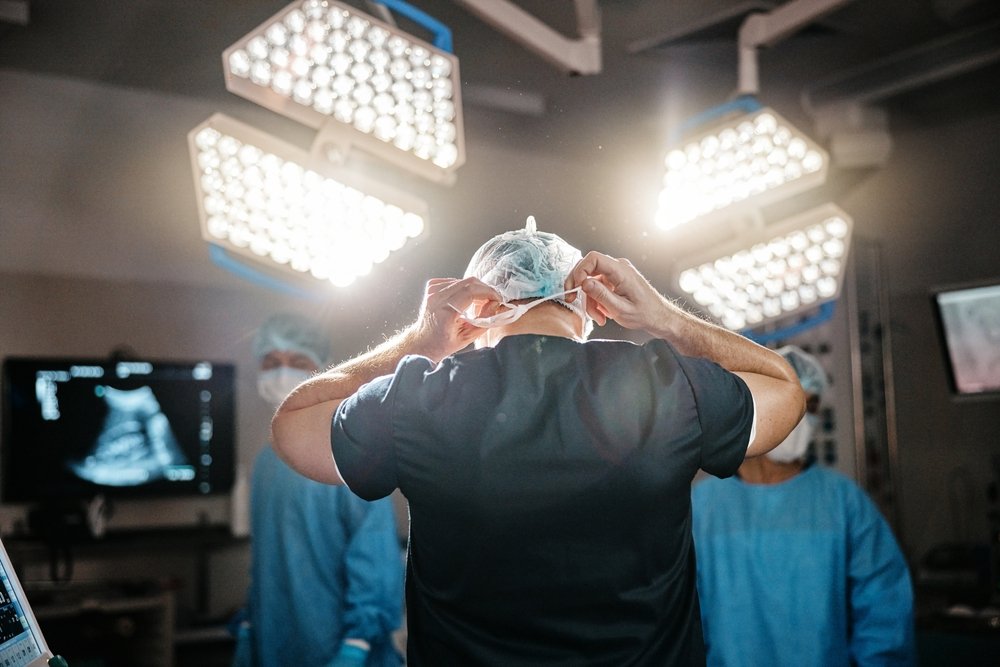
When Is Surgery Considered for Sleep Apnea?
Surgery is not the first thing most people think of when they're diagnosed with sleep apnea. For many patients, treatment starts with CPAP therapy, oral appliances, or lifestyle changes. Surgery usually comes into the conversation later, often after other approaches haven't worked as hoped. Knowing when surgery is considered, and why, can make the decision feel less overwhelming and more grounded.

Can Lifestyle Changes Really Improve Sleep Apnea? What the Evidence Shows
Sleep apnea often gets treated like a switch that’s either on or off. You have it, you treat it medically, end of story. Real life doesn’t work that way. While lifestyle changes won’t cure sleep apnea, evidence shows they can reduce symptoms, improve sleep quality, and make standard treatments easier to live with. For many people, those small changes add up in ways that actually feel noticeable.
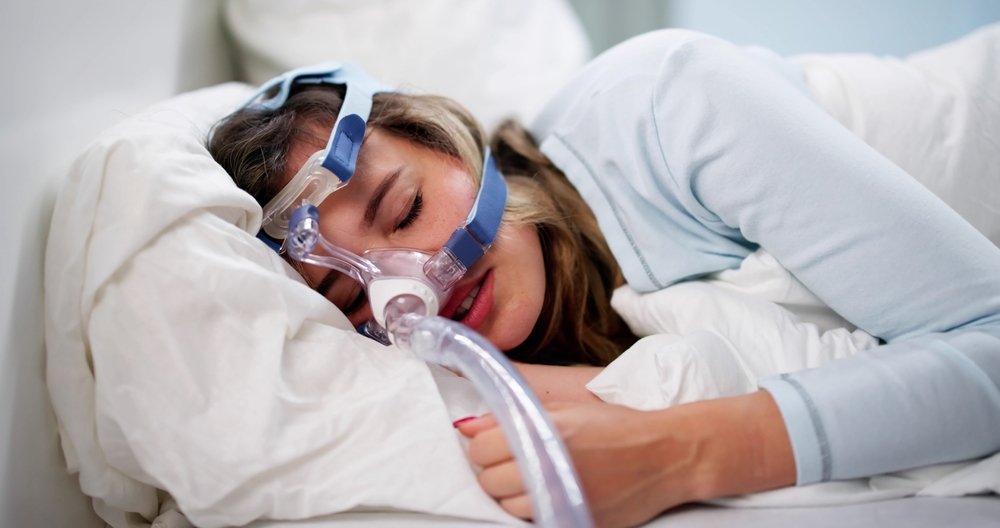
Sleep Apnea Risks in Women and Why Symptoms Are Often Different
Sleep apnea is often thought of as a condition that mainly affects older, overweight men who snore loudly. That picture has shaped how the condition is discussed, studied, and even diagnosed. The problem is that it leaves many women undiagnosed or misdiagnosed for years. Women can and do develop sleep apnea, but the signs don't always look the same, and the risks can show up in quieter, less obvious ways.Understanding how sleep apnea affects women differently can help people recognize symptoms earlier and get appropriate care sooner.
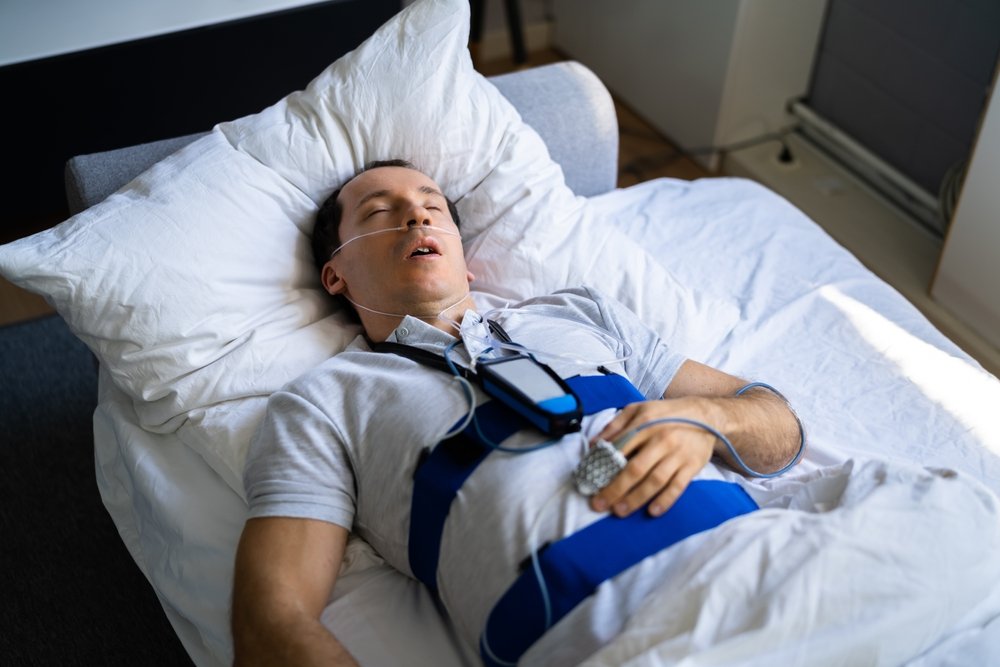
At-Home Sleep Apnea Testing: What Works and What Doesn’t
At-home sleep apnea testing has become more common, and for many people, it sounds like a relief. No overnight lab stay. No wires everywhere. No unfamiliar bed. Just sleep at home and get answers. That promise is real, but it's only part of the picture. At-home tests can be helpful in the right situations, but they're not a replacement for every type of sleep study, and they don't catch everything.Knowing what these tests do well and where they fall short can help set realistic expectations and avoid frustration later.
Sleep Apnea: Treatments and Trials
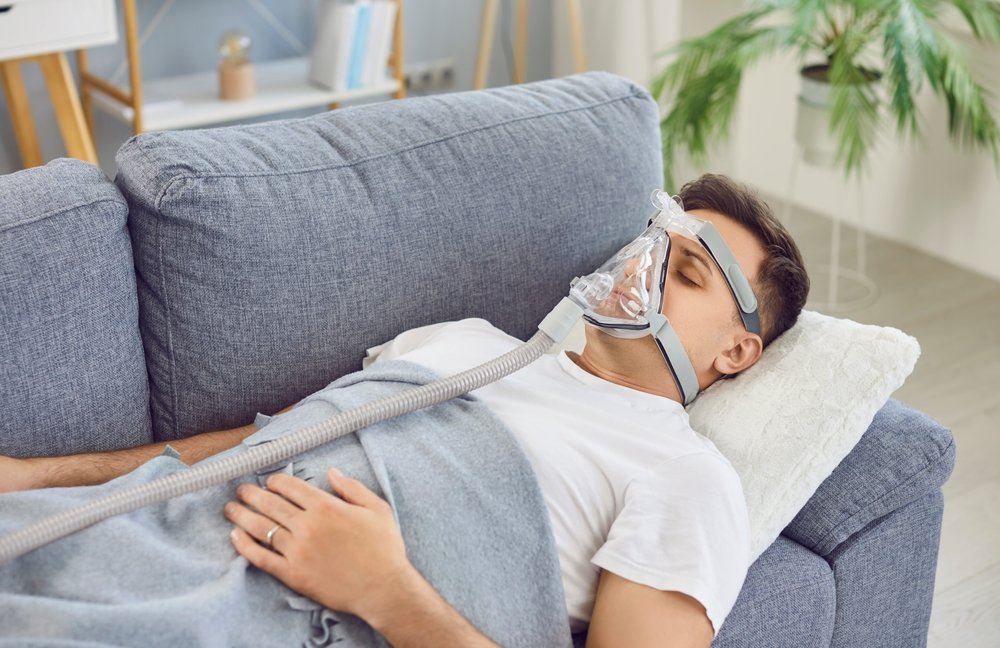
Sleep apnea is not an uncommon condition; in fact, recent estimates indicate that about one billion people around the world have the condition. It causes the body to stop breathing for brief intervals at night, with common symptoms being snoring, unusual breathing pattern when sleeping, waking up during the night, and insomnia. Many people who have sleep apnea experience headaches, fatigue, and irritability during the day due to lack of sleep; furthermore, the condition can cause or exacerbate long-term health problems in those who have other health conditions and/or don't receive proper treatment. Such health problems include high blood pressure, heart disease, adult asthma, diabetes, and an increased risk of strokes.


©Clinical Media. All rights reserved.
Do not sell my personal info