
Cancer Screening & Early Detection (6)

AI in Cancer Screening Trials: The Potential and the Problems
AI has radically changed the medical industry. Doctors use it to create custom treatment plans and analyze the results of the treatment. Researchers use it to collect and analyze large amounts of medical data. There is even an AI-designed drug making its way through clinical trials. Given these facts, it's not surprising that experts have found multiple ways to include AI in cancer screening trials. Even so, some challenges remain, as artificial intelligence, despite its ability to solve problems in ways that humans never could, has some limitations that could pose challenges for medical facilities that want to utilize the technology to prevent and treat health conditions.

The Patient Experience in Cancer Screening Trials
The patient experience in cancer screening trials is an important part of the story of cancer research. Trials involve new research and technology, but the people who volunteer are also vital. Behind every new blood test or imaging tool, there are people who are stepping forward to participate. These patients are volunteering their time and energy to help researchers and future patients. Understanding the patient experience can help us all appreciate the progress being made and the challenges that remain.

Widespread vs. Targeted Cancer Screening: What's the Aim of Current Screening Trials in Progress?
The end goal of any cancer screening trial is to save lives by helping doctors catch cancer early enough for treatment to work with minimal side effects. However, that doesn't mean that the new types of screening being developed in all current (or future) screening trials will be recommended for everyone. Researchers have different end goals for their work; some are working on screening options to meet the needs of relatively small, specific groups of people, while others are working on general screening tools that medical professionals could use for many or even most adult patients.

False Positives and the Devastating Psychological Impact on Cancer Screening Trial Participants
The goal of cancer screening trials is to find the best ways to detect cancer early, when it may be easier to treat and thereby be able to produce an intervention in time that can extend your life and reduce your suffering.That this purpose is noble is without controversy, except that some cancer screening trials produce results that are “false positives.” A false positive test result gives you the diagnosis of having cancer or reports abnormal findings when you do not have the disease.No screening tests for cancer are perfect, and there is a certainty that some of the test results will be false positives. A good screening test keeps the false positives to a minimum, but it is not possible to entirely eliminate them.The problem is that a false diagnosis is psychologically devastating, as most people assume the worst and consider a diagnosis of cancer as a death sentence.If your cancer screening test comes back positive (even if it is wrong), you will experience devastating psychological and emotional impacts. These effects usually continue even after follow-up tests declare you “cancer-free.”This article explores what causes false positives in cancer screening trials, why they are so common, and how they affect your mental health if you volunteer for these trials.
The Move Towards Non-Invasive Cancer Screening: What Patients Need to Understand
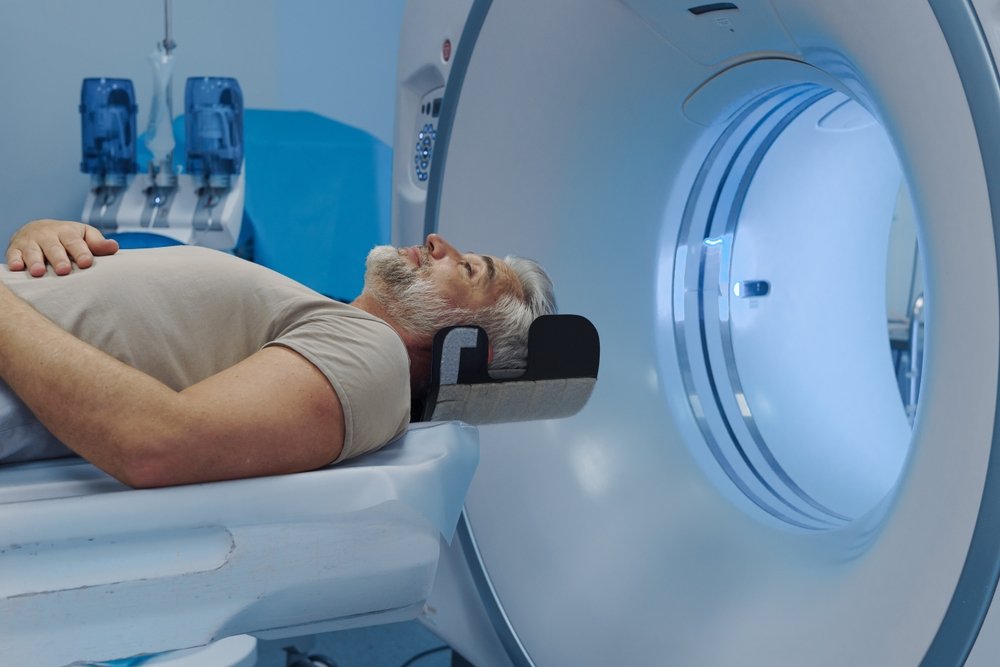
Cancer screening has traditionally been dependent upon the use of imagery and invasive procedures. While mammograms, colonoscopies, biopsies, and CT scans have proved to be lifesavers, they also present certain drawbacks: discomfort, accessibility issues, higher costs, and, in some instances, unwilling participants who feel too young and healthy to be screened when they exhibit no symptoms of this deadly disease. Now, the pursuit of cancer research aims for a new focus: simpler and less invasive methods of early detection.This shift is not about replacing more traditional screening methods completely. Rather, it serves a clear sign that the science of early cancer detection (before symptomatic presentation) needs more scalable, repeatable, and more socially acceptable modalities.
MCED Cancer Screening Trials: What are the Options?
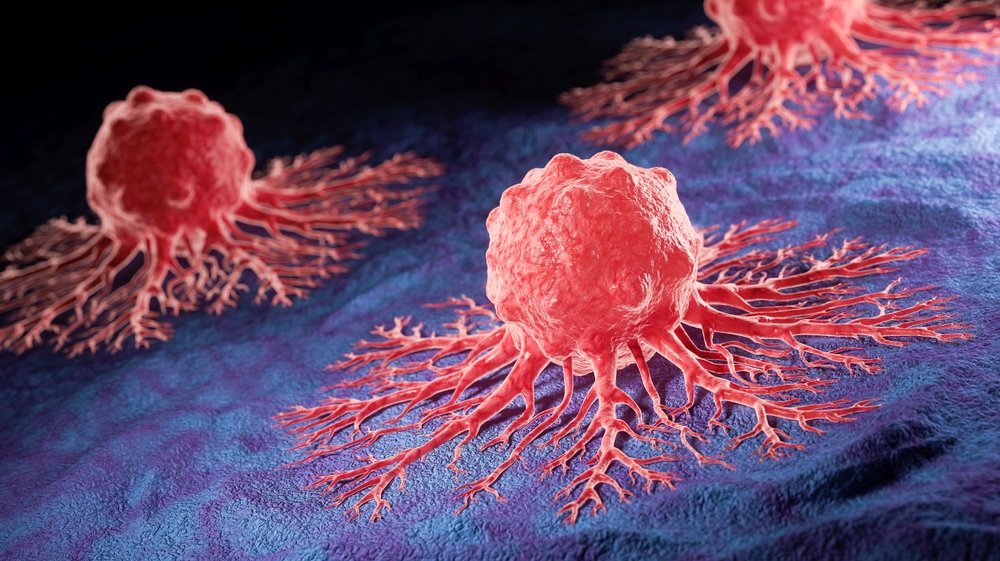
Mammograms, CT scans, and Pap tests are effective cancer screening tools that have saved the lives of thousands of people worldwide. Unfortunately, they have their limitations. Each screening is designed to catch a single type of cancer. Not everyone has access to these screening tools, and even those who do often fail to get screened because they don't have the time and/or financial resources for invasive tests. Furthermore, there aren't screening tests available for many forms of cancer, including some that are particularly deadly and/or don't always cause obvious symptoms until it's too late for treatment. That's why many cancer screening trials are focusing on multi-cancer early detection (MCED or MCD) testing.